
Most ultra-trail runners I know came from one of two places: mountaineering or road running. Those who grew tired of hauling 55-liter multi-day packs would later opt for an 8-liter vest; those who grew bored with tempos and fartleks on pavement eventually began looking upward to higher elevations.
I was deep into trail ultras between 2017 and 2019. That was peak obsession. I would run with a filthy, sunburnt crew from 6 a.m. to 3 p.m. during training season. We would take naps under trees, pick and eat wild fruits, swim to cool down, and come down the trailhead covered in dust (or mud) and stink.
We didn’t race to hit a PR (that’s so basic), we ran to be swallowed by the trail.
We pretended to curse the long climbs that heat up and then harden the quads and relished bombing the downhills, half-flying and half out of control, knowing full well that all it takes is one misstep to land a bloody face plant.
I loved those days.
Those of us who were unhinged enough would eventually attempt 100-milers. I did not. These days, I’m saving up what’s left of my knee cartilage, doing just one 50k race every the end of the year.
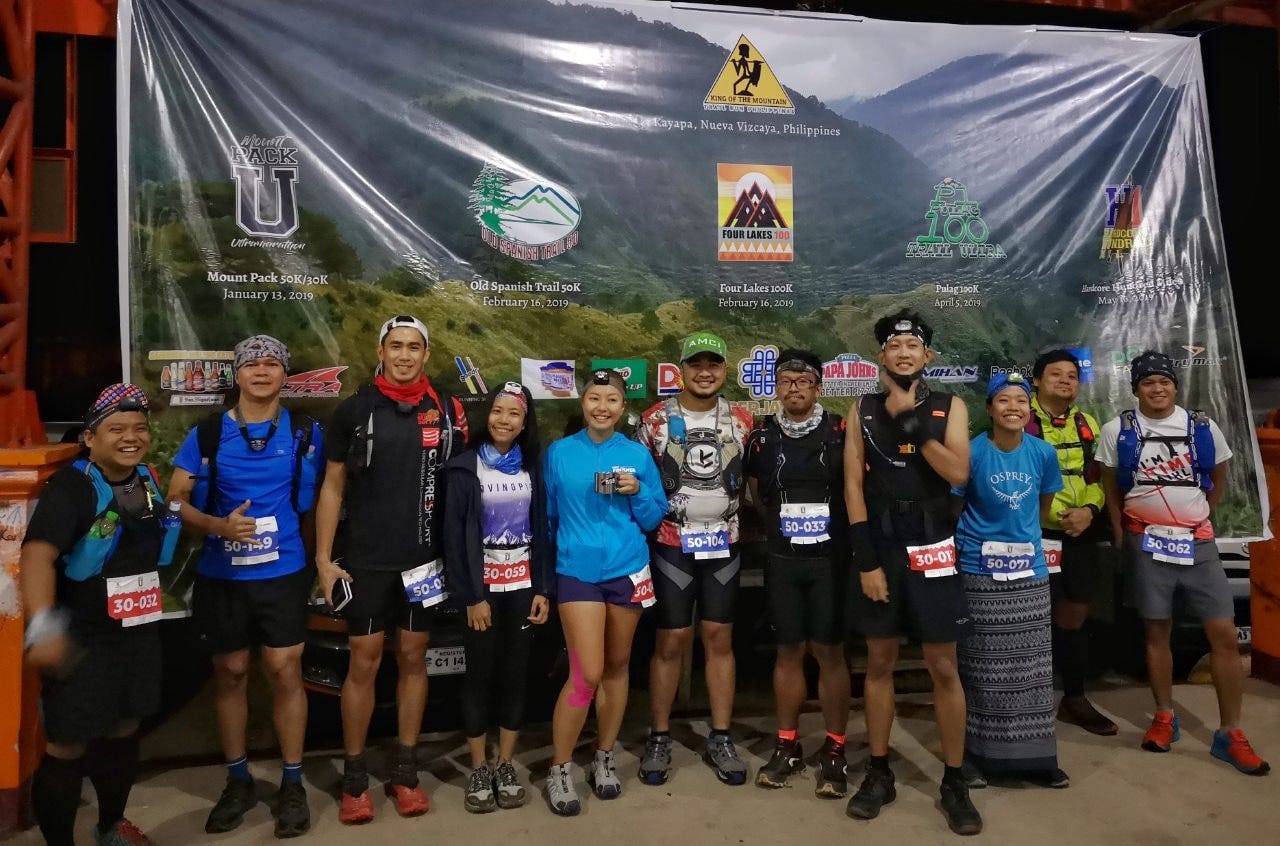
Comfort crisis who?
Michael Easter talked in detail about a comfort crisis (tl;dr we’re too comfortable for our own good. To become stronger, happier, and more alive, we need to do hard things on purpose).
The popular formula is: stress + rest = growth. The mechanism behind it is a slow but consistent adjustment of thresholds.
Planning and pain thresholds
If your legs and lungs are used to running high-elevation 50ks within 10 to 11 hours, a once-daunting 21k becomes a relaxed, routine fun run. Pain tolerance isn’t something we’re born with; we need to train for it–slowly, incrementally.
When the blister pops, when the cramps become relentless, when vision blurs out (literally, some people go temporarily blind during long races), repeated and strategic exposure teaches the body how to stay calm when things start to hurt.
Many things can still go wrong despite all the careful planning with cold weather gear, food, hydration, pace, relative to elevation, distance, and terrain.
That’s because reality has no obligation to stick to anyone’s plan.
The mountain weather shifts (really fast if I may say), river crossings get violent, animals show up, and an injury from 10 years ago can resurface.
When the plans fall apart, the pain threshold is the emergency battery that enables someone to move forward and dig deeper. Because, my dudes, standing still while deep in the mountains is a sure way to get unalived.
Ask the bodies in the Everest death zone.
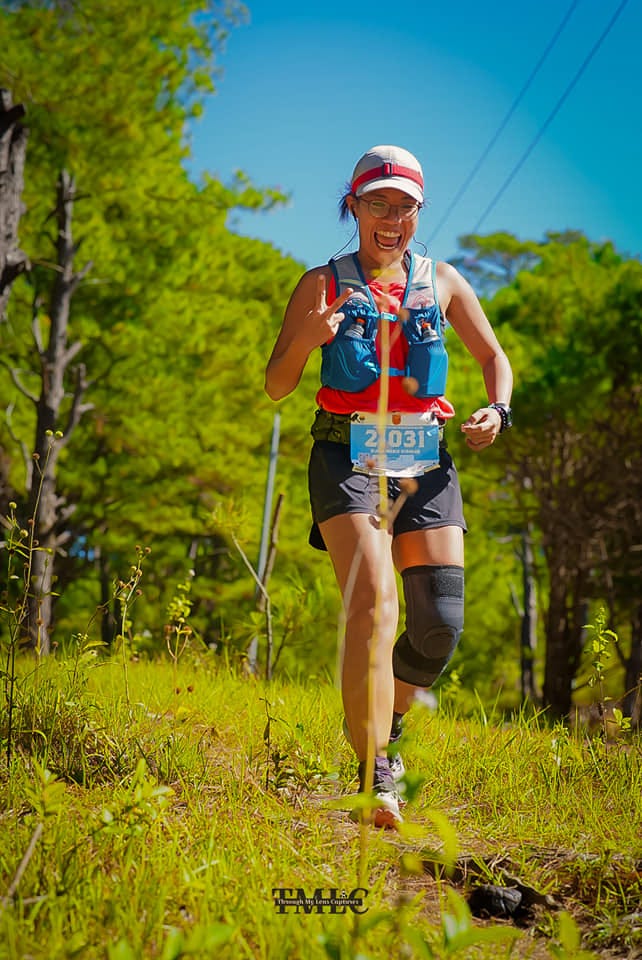
Lose time and lose it well
Losing all sense of time in an induced flow state is meditative. It’s a hyper-present condition where only the next breath or the next step matters. Jonel Mendoza, editor of Frontrunner Magazine, and race director of the King of the Mountain series for a long, long time would tell us noobs one thing: one foot in front of the other.
I find this really funny because “one foot in front of the other” is very different when you’re gunning for a sub-20-minute 5k vs. when you’ve seen the sunrise twice in a 40-hour trail race. Both experiences are sublime.
So why do we do it?
Because doing hard things brings us home to ourselves. Trail ultras just happen to be the metaphor that I relate to the most. But it doesn’t have to be running.
You don’t have to climb a mountain or chase a cutoff time to reclaim your edge. Just find something that scares you a little and demands your full attention.
Let it stretch you.
Let it hurt a little.