
The year was 2005. I walked into my Econ 10 class as an Iskolar ng Bayan, genuinely excited to understand the workings of the economy; what runs it, what ails it, and how exposed I am as an ordinary citizen. From what I recall, I got very little of that, just a bland diet of charts and formulas.
The course didn’t fall short because the math was wrong; in fact, the math was too precise and therefore suspicious. For a whole semester, we pretended that the rational, entirely self-interested, utility-maximizing man (homo economicus) exists, and made him the center of economic models.
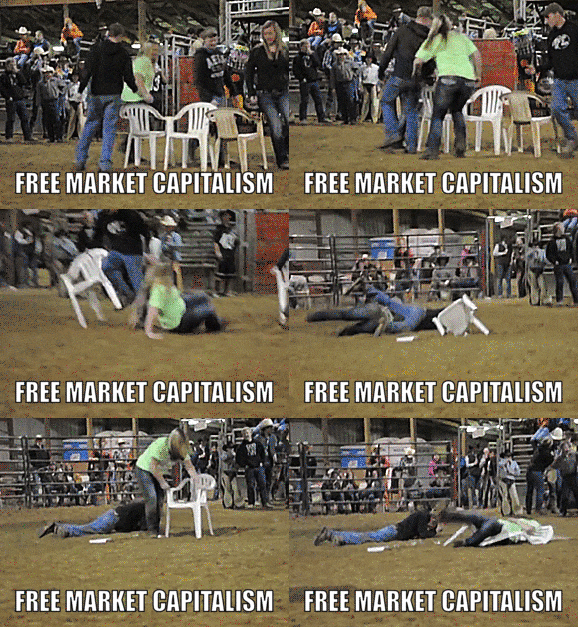
Of course, he doesn’t exist. No rational man should support a war in the Middle East that’s choking our supply of oil, but here we are. Also, ask your friend who doesn’t have savings but has money for the most recent iPhone (on credit), or the one who stays in bad jobs out of pride.
Eleven years later, I’d find myself reading economics more critically, but this time as a full-on participant (or victim) of it rather than one reading the charts. As a consumer, an investor, and a small-business operator, I no longer see the economy as theoretical. It has become (and I think it always has been) political, emotional, and crazy personal.
Our late Chairman at Evident, Paul Bograd, taught us a lot about behavioral economics, mostly about the fact that humans have egos, identities, trauma, weird incentives, and social pressures all operating at once.
That framing reshaped how I read economics so much that instead of asking whether a model was elegant, I started asking whether it “survived the test of reality” (borrowing from Morgan Housel).
If you want to understand your day-to-day contact with the economy, this is my recommended reading list.
Das Kapital, Karl Marx
Oh wow, what, we start with some light tibak reading?
Yes, bro, but please put ideology aside and focus on structure. Labor, ownership, and surplus determine who absorbs risk and who extracts value. Many people will disagree with Marx’s endgame.
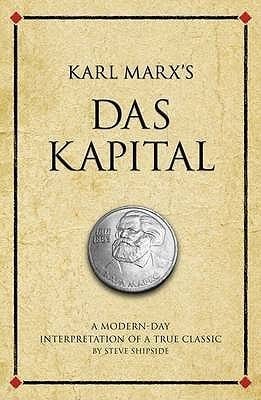
But after this book, you cannot talk about markets without also talking about power. And if you’ve ever been on the losing end of an imbalance, as a worker, a tenant, or a small operator, you’ll recognize the machinery.
To quote a contemporary philosopher named Billie Eilish (lol): “If you’re a billionaire, why are you a billionaire? Whoosh.
Zero to One, Peter Thiel
Full disclosure: I don’t like Peter Thiel.
This book is a manual for building creative monopolies, aka capital formation on steroids, written for people who are ambitious enough and morally flexible enough to attempt it. He spends a number of pages dunking on competition and openly sneering at social enterprises. I love social enterprises.
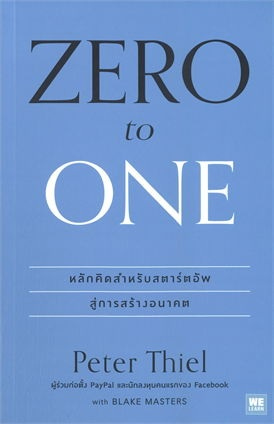
Thiel’s core claim is that the ultimate business win is monopoly power. Which, incidentally, is exactly why monopolies are not supposed to exist in competitive markets. That said, there are useful insights here, particularly on technology, differentiation, and how real companies are actually built.
Just read it knowing whose worldview you are borrowing from, and at what cost.
Most of us cannot afford this cost.
Why Nations Fail, Acemoglu & Robinson
This book gave me language for something I’d felt intuitively working in public affairs: economies don’t fail because people are lazy or cultures are flawed; they fail because of extractive institutions run by greedy people.
The key insight here is that economic growth should be buttressed by ethical institutions.
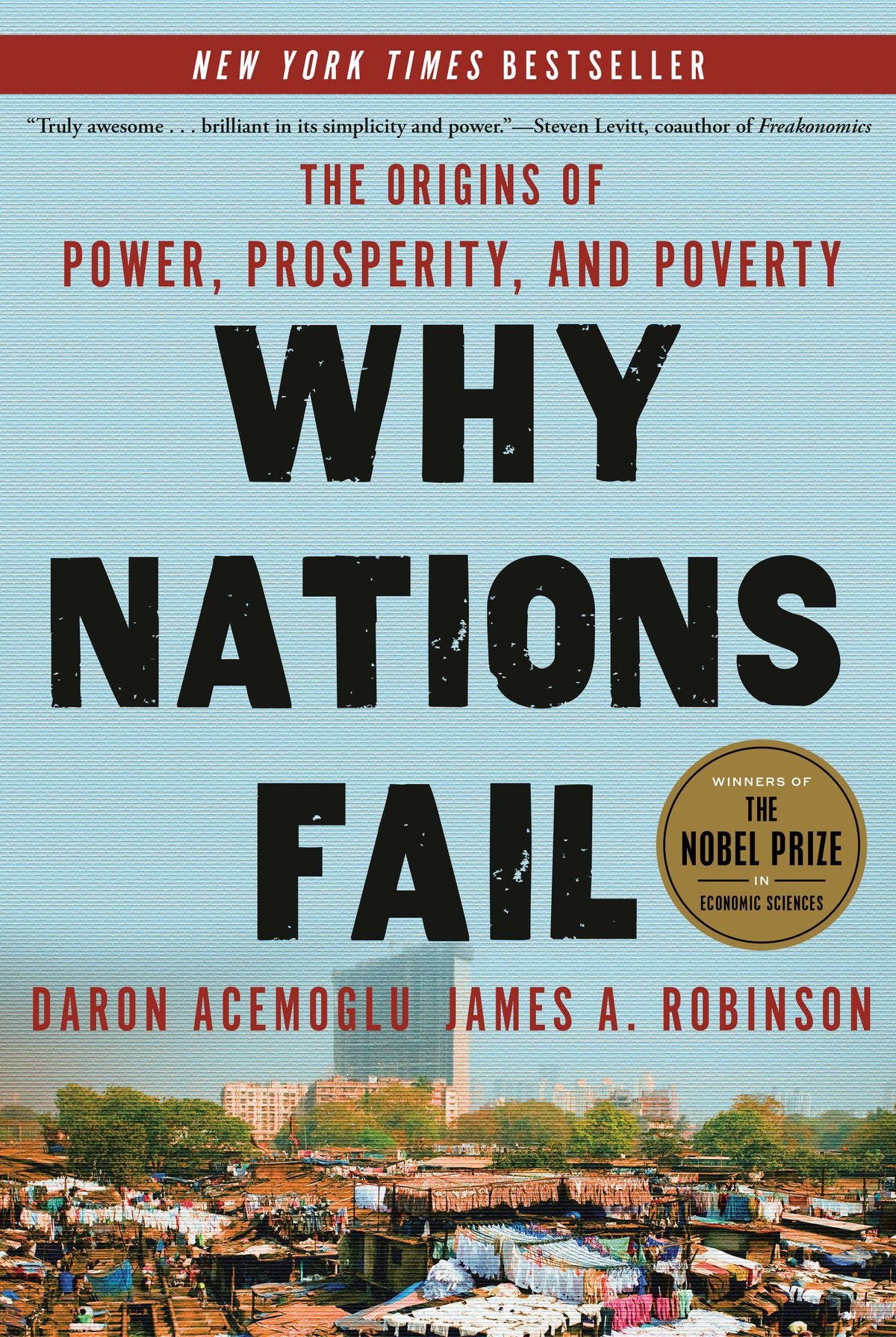
Property rights, rule of law, accountability, and inclusion aren’t “nice to have” but are in fact part of the economic infrastructure. The authors explain why economic reform is sometimes so hard: because those who benefit from bad rules have no incentive to change them.
You only need to look at the most glaring live case in the Philippines. No person of consequence has been put in jail for flood control ghost projects.
The Psychology of Money, Morgan Housel
This book really sends homo economicus straight to the kanal.
We assume that by default, people are optimizing for returns, but they are not. They’re optimizing for safety, status, belonging, and emotional regulation. “Irrational” financial behaviors have a basis, and most people aren’t really bad at money; they’re just responding to their lived experiences.
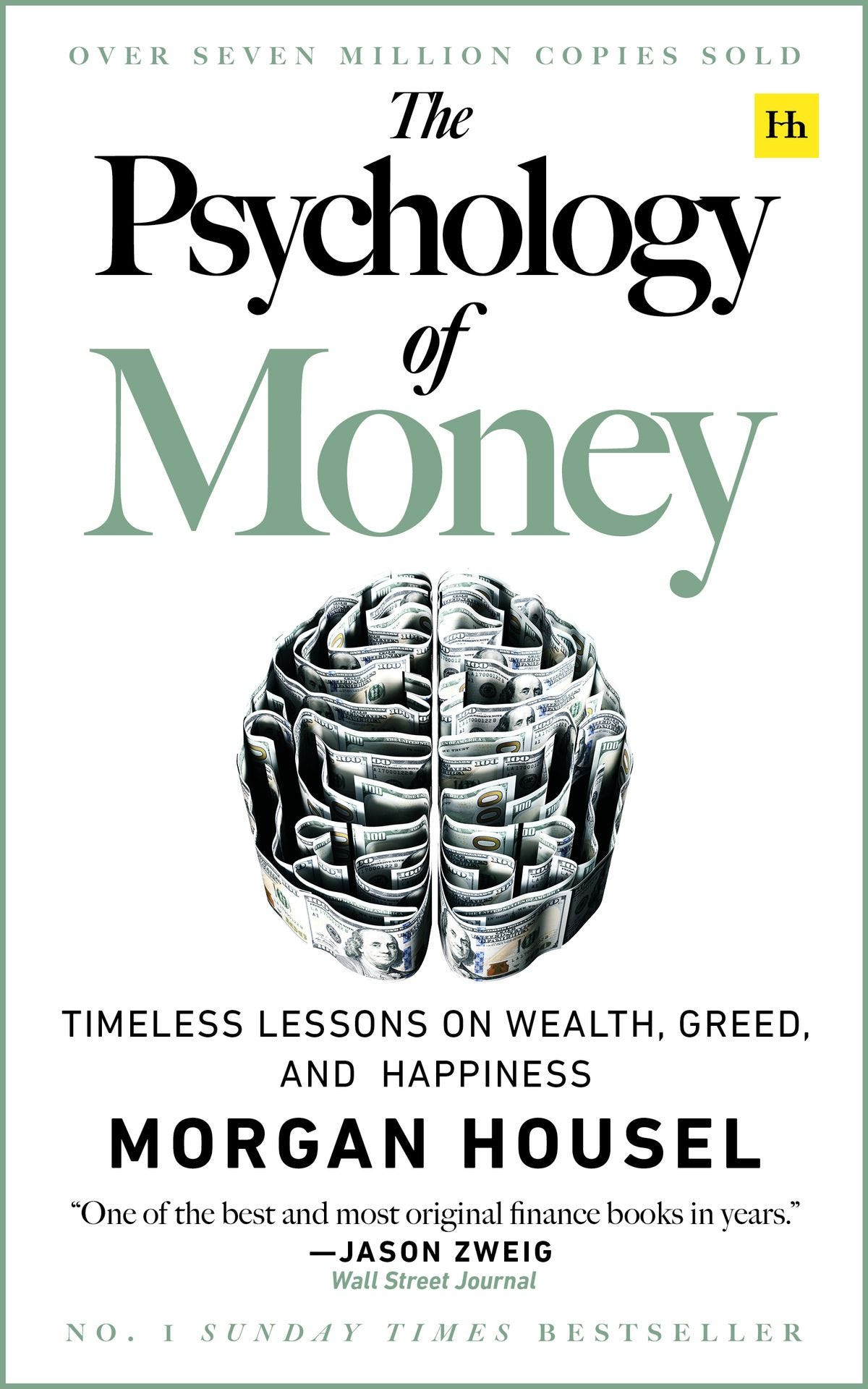
This is the quickest book to read in this set, but it is the one that makes you look inward the most.
The Alternative, Nick Romeo
This was my final read for 2025, and it’s not an easy one to put down because it is very practical from an organizational standpoint. The critique of capitalism is that it is primarily unjust and exploitative, and there is no way to remove yourself from it without economic isolation.
Well, there is. The book shows, through well-documented case studies, that economically just systems already exist in pockets, quietly prioritizing dignity, resilience, and equity. For example, cooperatives vs. corporations as enterprise structures, how to manage trusts that are built to serve a purpose, and proper wage ratios across organizations. Most of these are implementable in our tiny company of just 50 people.
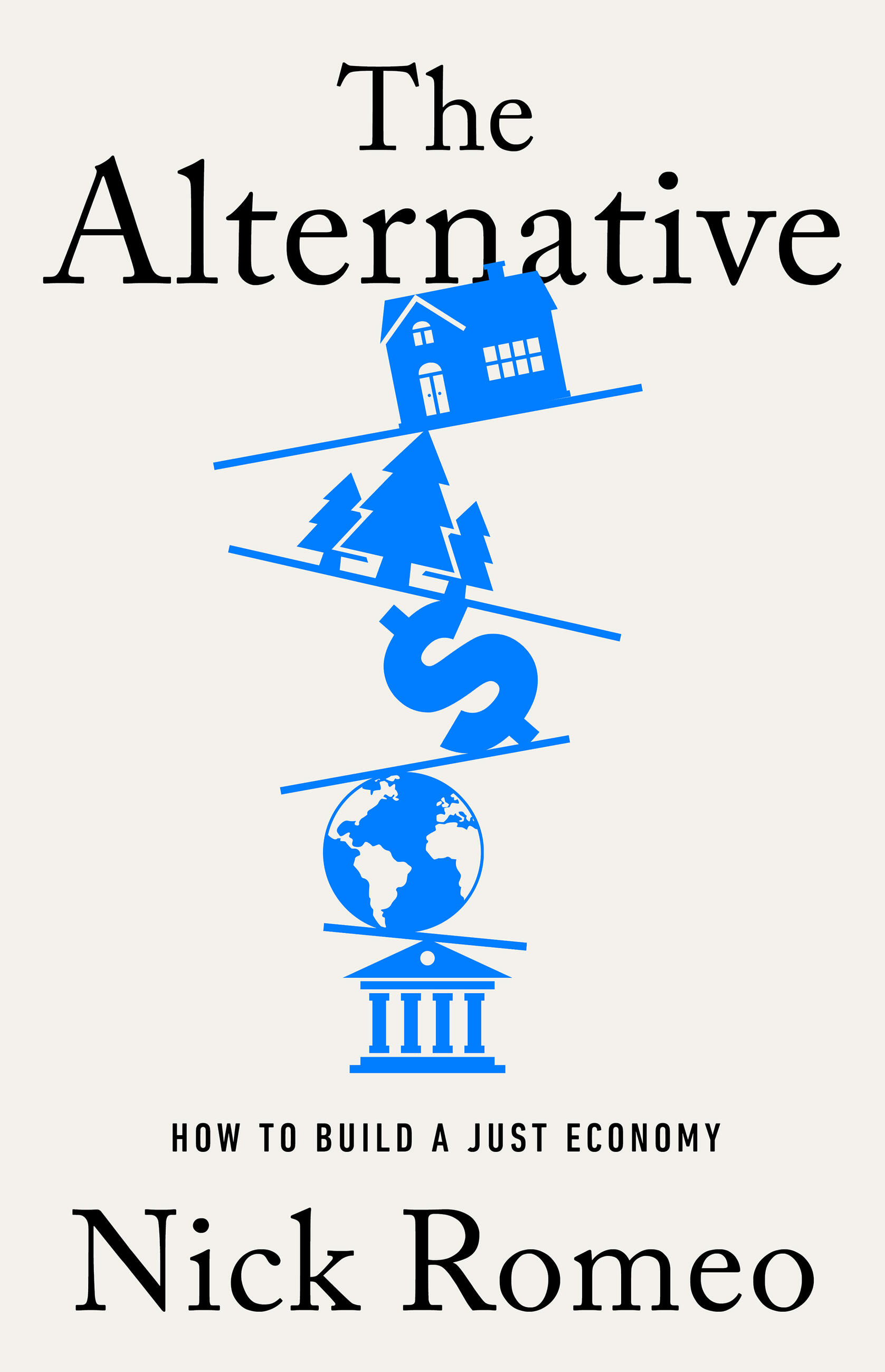
It has reframed “alternative economics” for me, far from a radical disruption, but just a bunch of high-potential experiments (if you have a good leadership team).
Maybe, just maybe, economic fairness is just a design problem.
Reading the economy won’t always give answers. What it gives you instead are sharper questions about work, money, power, growth, and the systems you’re already embedded in. And in a world where economic decisions shape almost every aspect of our lives, refusing to ask those questions is just too risky.
###